FIELD NOTES — VOLUME 001
THE ART OF MECHANICAL SEEING
EST. 1971
TOKYO, JAPAN

✳ OBJECT STUDY / NO. 001

TIMELESSCRAFT.

CANON F-1 / 1971
ENGINEERED TO OUTLAST TIME
60 FPS   0000 × 0000   00:00:00
SCROLL TO EXPLORE↓01 / 05
01 — THE ORIGINTHE YEAR THAT CHANGED EVERYTHINGEST. 1971 ↗

THE ORIGIN STORY ↘

Built for
the moment.
Made for
a lifetime.

A camera made for the field. A tool designed to disappear between the photographer and the photograph.

In 1971, Canon introduced the F-1: a professional 35mm SLR that placed durability, mechanical precision and modular design above everything else. Decades later, its every dial and contour still tells a story.

EXPLORE THE ENGINEERING ↗
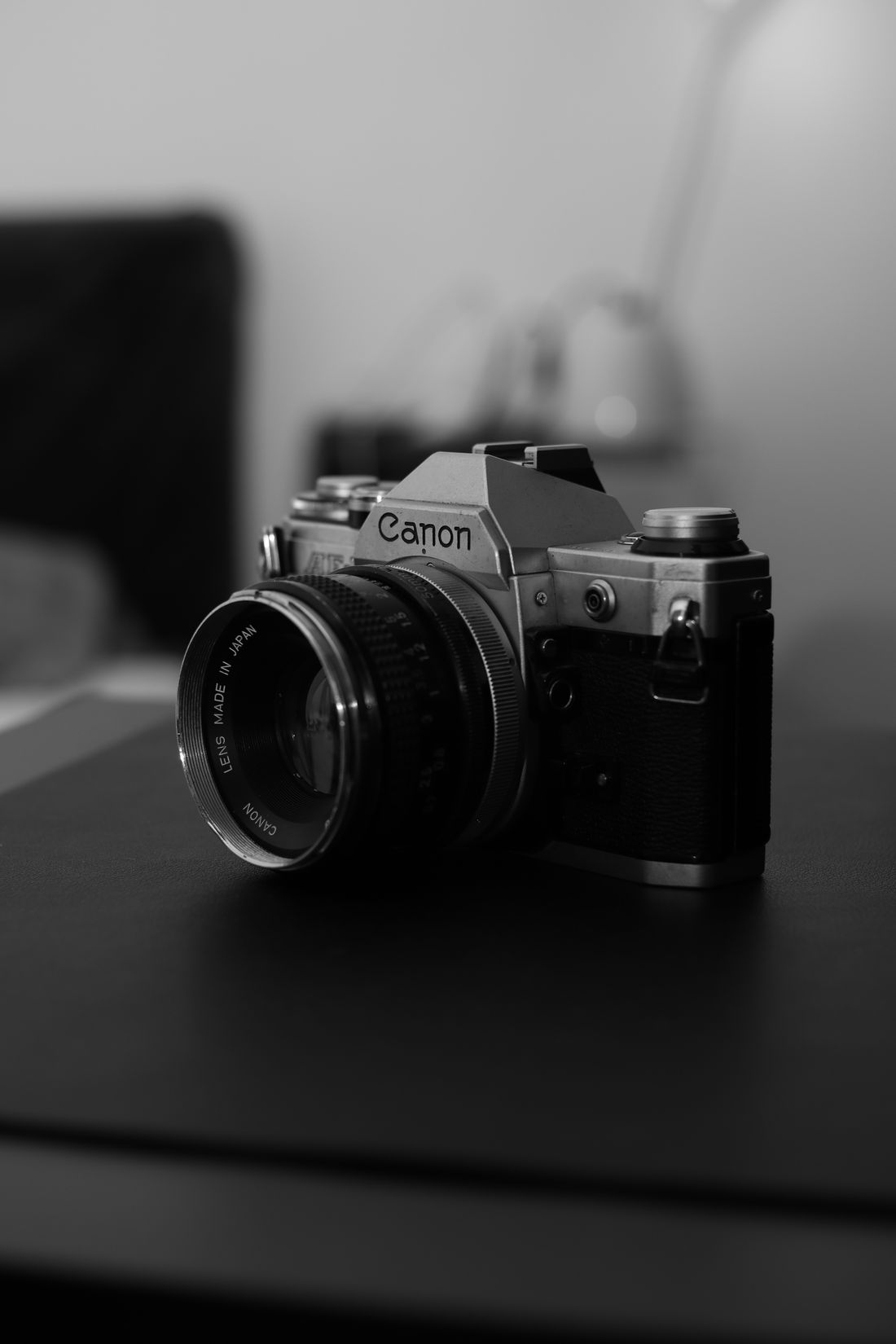
Vintage Canon film camera photographed in black and white
FIG 01 / THE TOOL35MM SLR CAMERA
01OBJECT
STUDY
01 / FORMAT35mmFULL FRAME FILM
02 / INTRODUCED1971PROFESSIONAL SLR
03 / FRAME SIZE24×36MILLIMETRES
04 / EXPOSURES36↗ON A TYPICAL ROLL
02 — ANATOMYA STUDY IN MECHANICAL PERFECTIONANATOMY / 03 PARTS

THE OBJECT, DECONSTRUCTED

Every detail
has a purpose.

Select a component to inspect the principles that made the professional SLR a legend.

+
+
FIGURE 02
FRONT ELEVATION / NOT TO SCALE
CANON F-1
ASSEMBLY REFERENCE
COMPONENT / 01

Light, precisely controlled.

The interchangeable FD lens mount enabled photographers to match glass to their subject. Mechanical focus and aperture controls made each exposure a deliberate decision.

MOUNTCANON FD
OPERATIONFULLY MANUAL
✳ INTERACTIVE COMPONENT SELECTOR
03 — FILM STOCKSAN EXPERIMENT IN LIGHT AND COLOUR5 CLASSIC EMULSIONS

CHOOSE YOUR CHARACTER

One format.
Infinite feelings.

Each emulsion has its own language. Grain, contrast, colour and sensitivity change how a moment is remembered. Select a stock to explore.

NO.FILM STOCKISO↗
EMULSION STUDY 001COLOR NEGATIVE / ISO 400
Sunset beach landscape used as a photographic sample
35MM — 001 A
FRAME 01 / 36
SELECTED STOCK

Portra 400

A refined, forgiving colour negative with subtle contrast and natural skin tones. A favourite of portrait and editorial photographers.

THE CONTACT SHEET ↗FIVE FRAMES / FIVE FEELINGS
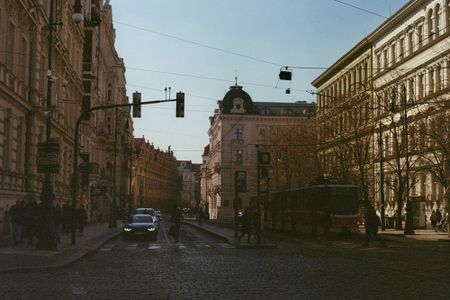
Prague street photo01A
Golden-hour seashore02A
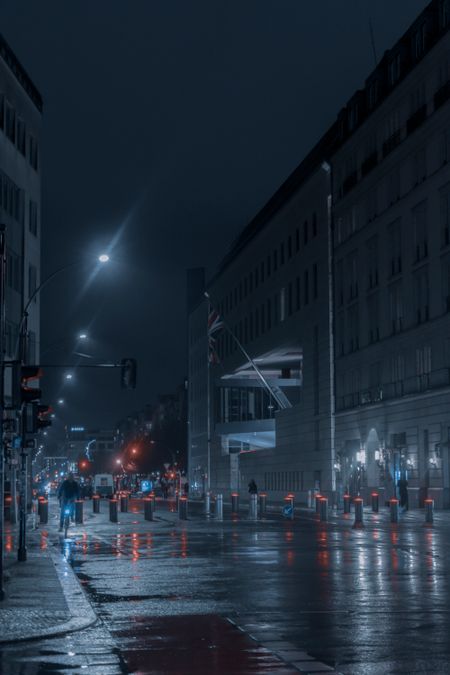
Rainy city street at night03A
Irish coast landscape04A
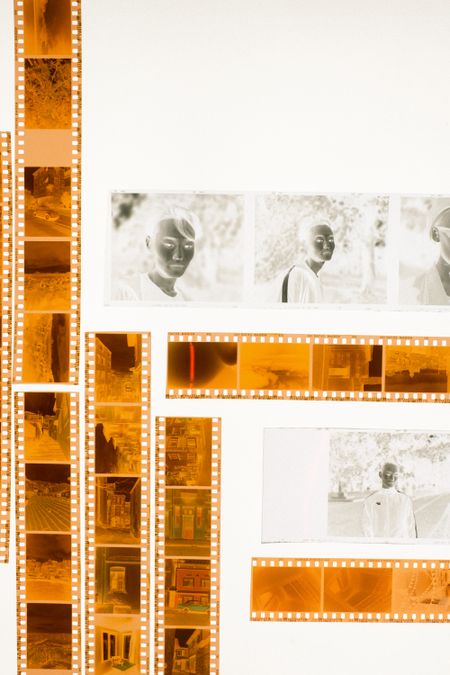
35mm film strips on illuminated light table05A
THE ARCHIVE — DRAG OR USE ARROWS
04 — THE CHEMISTRYINSIDE A COLOUR NEGATIVETHE ANATOMY OF LIGHT

WHERE LIGHT BECOMES MEMORY

More than
meets the eye.

Every negative is a microscopic architecture of light-sensitive layers. Explore how chemistry translates a fleeting moment into a lasting image.

FIG. 03EXAGGERATED SECTION / NOT TO SCALE
LIGHT ↓CHEMICAL STRUCTURE35MM ↗
LAYER 04/ 05

Colour information,
held in chemistry.

Light-sensitive silver-halide crystals and dye-forming couplers respond to different wavelengths. During processing, their reactions build the dyes that ultimately form a colour photograph.

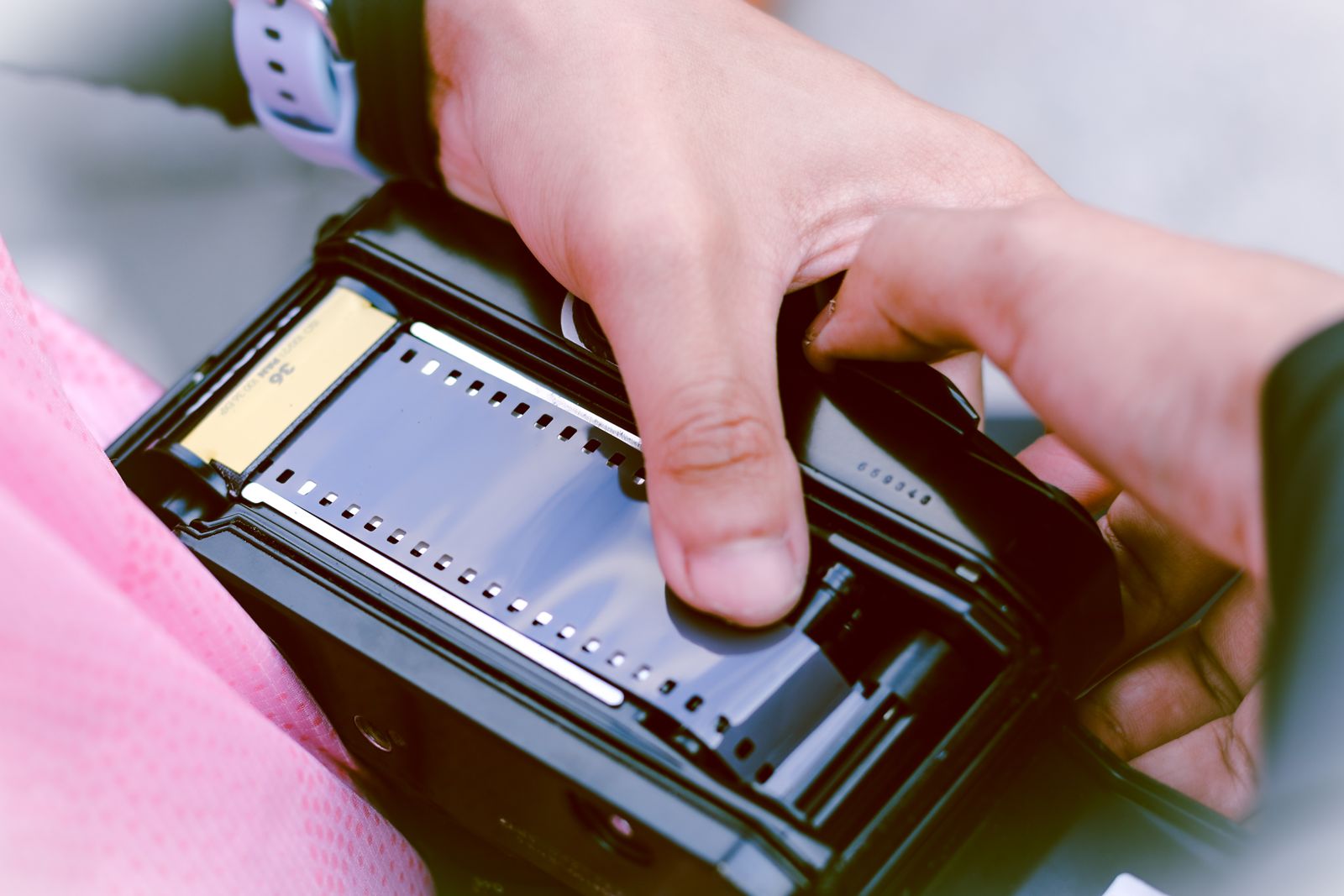
A photographer carefully loads film into an analogue camera

THE BEAUTY OF THE IN-BETWEEN

Some things
are worth
waiting for.

36 frames. No instant preview. Just a moment, a little light, and the art of paying attention.

REWIND TO THE BEGINNING↗
35 / MM
END OF ROLL